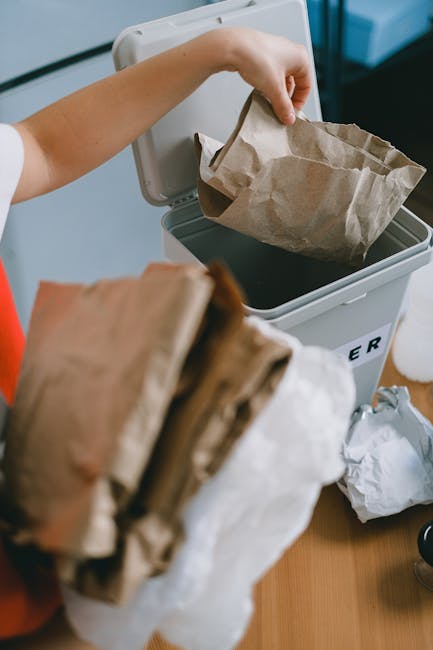
Guide to rubbish collection for Swiss Cottage shops and offices
If you run a shop, clinic, cafe, showroom, studio, or office in Swiss Cottage, rubbish tends to show up quietly and then all at once. One day it is a few cardboard boxes and coffee cups; the next, it is broken displays, old filing cabinets, packaging, food waste, or a tired printer that seems to have become part of the furniture. This Guide to rubbish collection for Swiss Cottage shops and offices is here to make the whole thing clearer, calmer, and much more manageable.
The aim is simple: help you understand how business waste collection works, what to look out for, and how to keep your premises tidy without creating extra hassle for staff. We will cover day-to-day collection methods, compliance basics, practical planning, and the small decisions that make a big difference. And yes, the detail matters. A well-run waste routine saves time, reduces clutter, and can prevent those awkward moments when bins are full and customers are already at the door.
Practical summary: the best rubbish collection setup is the one that fits your trading hours, your waste types, your access constraints, and your need for speed. In Swiss Cottage, that often means choosing a flexible collection plan rather than relying on a one-size-fits-all arrangement.
Table of Contents
- Why rubbish collection matters for Swiss Cottage shops and offices
- How rubbish collection works
- Key benefits and practical advantages
- Who this is for and when it makes sense
- Step-by-step guidance
- Expert tips for better results
- Common mistakes to avoid
- Tools, resources and recommendations
- Law, compliance, standards and best practice
- Options, methods, and comparison table
- Case study or real-world example
- Practical checklist
- Conclusion
- Frequently asked questions
Why Guide to rubbish collection for Swiss Cottage shops and offices Matters
Waste management is not just about keeping the back room neat, though that is part of it. For businesses in Swiss Cottage, rubbish collection affects how smoothly the whole place runs. If waste is left too long, you can end up with blocked storage areas, unpleasant smells, pests, slippery floors, and a general sense that the place is fighting back a bit. Not ideal when you are trying to give customers, patients, or clients a good first impression.
There is also the practical side. Shops often deal with constant packaging, damaged stock, seasonal displays, and product wrap. Offices may produce far more paper, broken electronics, redundant furniture, confidential waste, and empty toner cartridges than people expect. The waste may look harmless, but if it is not handled properly, it can become a health, safety, and reputation issue pretty quickly.
For many businesses, rubbish collection also shapes productivity. Staff should not be spending time squeezing items into overfull bins or carrying waste out in the rain because collection timing was poorly planned. A better system frees people up to do the work they were hired for. Simple enough, but easy to overlook.
Swiss Cottage has its own rhythm too. Busy roads, tighter access points, and variable footfall can make waste collection feel more complicated than it first looks. That is why a local-minded, business-focused approach is useful. You want a collection method that works around trade, not one that interrupts it.
How Guide to rubbish collection for Swiss Cottage shops and offices Works
At a basic level, rubbish collection for shops and offices works by separating, storing, and removing waste in a controlled way. The exact setup depends on the waste stream and the volume. Some businesses use regular scheduled collections. Others book one-off clearances when they are refurbishing, relocating, clearing stock, or dealing with a sudden build-up after a busy period. Truth be told, many businesses end up using a mix of both.
Here is the usual flow:
- Waste is identified and sorted into general rubbish, recyclables, confidential paper, electrical items, bulky items, and any special waste.
- It is stored safely in the correct containers or a designated collection area, ideally away from customer traffic and fire exits.
- A collection is arranged to match your business hours, access needs, and waste volume.
- The waste is removed by a suitable operator who can handle the load safely and dispose of it properly.
- Reusable or recyclable items are separated where possible to reduce what ends up as residual waste.
In practical terms, this might mean a small retail unit using a regular commercial waste removal service for daily or weekly rubbish, while a larger office bookends the year with a bigger office clearance to remove old desks, broken chairs, and storage units. The most effective routine is the one you barely notice day to day because it fits your operations so neatly.
If your business generates mixed waste, it helps to think in terms of streams rather than just "bin stuff." Cardboard, food waste, confidential documents, old appliances, and bulky furniture should not be treated the same. That sounds obvious, but in real life people often default to the nearest bin. We have all seen it happen.
Key Benefits and Practical Advantages
A good rubbish collection system does more than clear space. It improves the way your premises feel and function. That can sound a bit tidy-and-nice on paper, but in practice it is tangible.
- Better presentation: Customers, visitors, and staff notice clean, uncluttered premises immediately.
- Safer working conditions: Less loose rubbish means fewer trip hazards, blocked walkways, and fire risks.
- More efficient use of space: Stockrooms, back offices, and service corridors stay usable instead of becoming makeshift dumping grounds.
- Cleaner separation of waste: Sorting recyclables, general waste, and special items is easier when the routine is clear.
- Less operational stress: Staff know where waste goes and when it will leave, which reduces confusion and last-minute scrambles.
- Better support for sustainability goals: A considered collection system makes reuse and recycling far easier to manage.
There is also a softer benefit that is easy to underestimate: peace of mind. Once waste is under control, people notice. The atmosphere changes a little. The back area stops feeling like a burden. The office seems calmer. Even the awkward "where do we put this?" conversation disappears, which is a small miracle in itself.
If your business has seasonal peaks, rubbish collection also helps smooth the spikes. For example, a shop after a stock refresh may need extra removal for packaging and broken fixtures, while an office after a move or restructure may need a one-off collection for old furniture and piles of obsolete paperwork. Having a plan means those moments do not become messy emergencies.
Who This Is For and When It Makes Sense
This guide is relevant to any Swiss Cottage business that produces regular or occasional waste, but some premises benefit especially strongly from a structured collection plan.
- Retail shops dealing with packaging, damaged stock, carrier bags, cardboard, shelving offcuts, or display waste.
- Offices with paper waste, confidential shredding needs, old IT equipment, broken furniture, and periodic clear-outs.
- Cafes and food businesses managing food waste, containers, mixed packaging, and storage-area overflow.
- Clinics, studios, and professional practices that need tidy spaces, careful handling of sensitive material, and a dependable routine.
- Property managers and landlords responsible for shared commercial areas, post-tenant clearances, or end-of-lease waste.
It makes sense to review your waste setup when something changes. For example:
- you are expanding or downsizing
- you have started generating more cardboard or packaging
- staff are complaining about overfull bins
- you are replacing furniture or equipment
- you are preparing for a refurbishment
- you need to clear waste quickly after a one-off event
A lot of businesses wait until the bins are overflowing before acting. That is understandable, but not ideal. It is much easier to adjust a waste system before it becomes annoying. A little planning now saves a lot of swearing later. Mild swearing, probably, but still.
Step-by-Step Guidance
If you want rubbish collection to work properly, it helps to treat it like a process rather than a random task. Here is a straightforward way to approach it.
- Audit your waste
Look at what your business actually throws away over a normal week. Keep it simple. Count the obvious categories: general rubbish, cardboard, paper, food waste, bulky items, and anything special. - Estimate volume and frequency
Are your bins filling daily, weekly, or only during busy periods? This tells you whether you need recurring collections or occasional removals. - Check storage and access
Where will waste sit before collection? Can it be reached without blocking customers, staff routes, or fire exits? Can a collection vehicle access the building safely? - Separate special items early
Put aside anything that needs extra care, such as electrical equipment, fridges, or potentially confidential documents. Do not leave those in mixed waste by habit. - Choose the collection method
Depending on your needs, this may be a regular commercial waste arrangement, a one-off clearance, or a mix. If you are disposing of bulky office items, a dedicated office clearance may be more efficient than trying to squeeze everything into smaller containers. - Set a practical collection timetable
Match the service to your trading hours and customer flow. Early morning or off-peak collection windows can reduce disruption. - Brief your team
Staff need to know what goes where. A simple sign near the bins can prevent a surprising amount of confusion. - Review and improve
After a few weeks, check whether the setup is still working. Waste routines should evolve with the business. They are not set in stone.
One useful habit is to do a five-minute closing check each day. Not a dramatic sweep, just a quick look at the bins, storage corner, and back access point. That tiny routine often catches problems before they grow teeth.
Expert Tips for Better Results
Small adjustments can make a large difference. In our experience, the businesses that stay on top of waste are not necessarily the biggest or most organised in every other area. They are simply consistent.
Keep waste streams separated from the start
Do not wait until a bin is full and then decide what it was meant for. Mixed waste is harder to manage, more expensive to handle in many cases, and more likely to create avoidable mistakes. Put clear labels on bins and use different containers for cardboard, paper, food waste, and general rubbish where possible.
Use collection points that are easy for staff to reach
If the nearest bin is awkwardly placed, people will start leaving waste beside it. That is just human nature. Place collection points where they are convenient, visible, and safe.
Plan around deliveries and trading peaks
If your shop gets deliveries on Monday morning, do not schedule a collection that creates congestion in the same window. If your office gets busiest at month-end, build extra breathing room into the waste plan. The same applies to seasonal retail rushes and pre-holiday spikes.
Be careful with bulky and awkward waste
Old desks, broken shelving, display units, and appliances can be deceptively awkward to move. If something is too heavy, too sharp, or too large for safe handling, treat it as a separate removal job rather than trying to "just shift it somehow." That is when accidents happen.
Build sustainability into the routine
Where practical, use services and systems that support recycling and reuse. A lot of business waste can be diverted from landfill if it is separated properly. If sustainability is part of your brand, this becomes more than housekeeping; it becomes part of how you present your business.
You may also want to keep an eye on confidential waste. Paper that contains client data, employee records, or commercial information should be handled through a secure process, not casually dropped in with general waste. The risk is avoidable, and frankly not worth it.
Common Mistakes to Avoid
Most waste problems are not dramatic failures. They are small habits that slowly turn into a nuisance. Here are the ones we see most often.
- Leaving waste until it becomes urgent: By the time it is overflowing, you are already paying for the mess in time and stress.
- Using the wrong container: A box of mixed rubbish in the wrong place can create contamination or access problems.
- Ignoring bulky items: One abandoned chair or printer can hold up an entire storage area.
- Forgetting about confidential material: Paper files, labels, and old records need special care.
- Blocking corridors and exits: Waste should never create a safety issue, even temporarily.
- Not training staff properly: If people do not know the system, they will improvise. That is how mistakes creep in.
- Assuming all waste is the same: It is not. Electrical items, appliances, cardboard, and general rubbish each need their own thinking.
There is a particular kind of office mess that feels almost comic until you are standing in it: a pile of flattened boxes, two old monitors, a broken chair, and a mystery cable that no one admits to recognising. It happens. Often.
The fix is usually simple. Make the waste route obvious, keep collections regular, and remove bulky clutter before it starts breeding. That one change can make a business feel far more in control.
Tools, Resources and Recommendations
You do not need fancy systems to manage business rubbish well. A few practical tools go a long way.
- Clear bin labels: Use plain language, not internal jargon that only one person understands.
- Dedicated storage space: Even a small, tidy back-of-house zone can make collections easier.
- Simple waste log: A notebook or spreadsheet helps you spot patterns, such as seasonal spikes or recurring bulky items.
- Staff reminder notices: A short notice near bins works better than a long policy no one reads.
- Secure shredding setup: Useful for businesses handling paperwork, records, or customer details. See confidential shredding support if secure document disposal is part of your routine.
- Bulky-item planning: For old desks, reception furniture, or storage units, services such as office clearance can be a practical way to remove multiple items at once.
- Pricing awareness: If you are comparing options, it helps to review pricing and quotes so you can match the service to the size and type of waste.
For businesses with mixed waste types, it may also be worth reading about recycling and sustainability to understand how collection choices can support better environmental outcomes. And if you are unsure whether a load is suitable for a container-based approach, the page on what can go in a skip can help with the practical side of sorting materials.
If your business has a lot of general waste and bulky removals, combining a routine collection plan with occasional waste removal support can keep things balanced without overcommitting to a setup you do not need.
Law, Compliance, Standards and Best Practice
Waste handling in the UK is not something to treat casually. You do not need to turn into a legal scholar, but you do need to be careful. Businesses are generally expected to store, separate, and transfer waste responsibly, and to use suitable carriers and disposal routes. The details vary depending on the waste type, but the principle is straightforward: if your business produces it, you need to manage it properly.
For shops and offices, the main compliance concerns usually sit in these areas:
- Duty of care: Make sure waste is handled responsibly from storage to collection and disposal.
- Segregation: Keep recyclable, general, confidential, and special waste separate where required or practical.
- Health and safety: Waste should not create blocked exits, manual handling hazards, or unsafe stacking.
- Special items: Fridges, appliances, electricals, and potentially hazardous materials need extra care and may not belong in ordinary rubbish streams.
- Documentation and traceability: Where relevant, keep records of waste transfers and disposal arrangements.
It is also wise to review provider details carefully. Look for sensible safety practices, insurance cover, and clear procedures. The pages on health and safety policy, insurance and safety, and payment and security can give you a better sense of how a service is organised and how seriously it treats operational responsibility.
If your waste includes anything that could be classed as hazardous, do not guess. Use a proper hazardous route. A cautious approach is always better than a convenient one here. Always.
Options, Methods, and Comparison Table
There is no single best rubbish collection method for every Swiss Cottage business. The right choice depends on volume, frequency, access, and the kind of waste you produce. The table below gives a simple comparison.
| Method | Best for | Strengths | Limitations |
|---|---|---|---|
| Regular commercial waste collection | Shops and offices with steady daily or weekly waste | Predictable, easy to manage, keeps routine under control | Less flexible for bulky one-off clearances |
| One-off waste removal | Clear-outs, refurbishments, relocations, seasonal spikes | Fast, flexible, removes larger or mixed loads | Not ideal for everyday recurring waste |
| Office clearance | Workplaces with furniture, IT, and paperwork to remove | Useful for multi-item removals and office resets | May be more than you need for small waste volumes |
| Secure shredding and document disposal | Businesses handling private records or client data | Supports confidentiality and risk control | Only covers paper and sensitive documents |
| Specialist item removal | Appliances, fridges, bulky furniture, or awkward items | Safer handling and appropriate disposal route | Requires proper planning and item separation |
If you are stuck between routine collections and a larger one-off service, a good rule of thumb is this: use regular collection for the waste you create every week, then book extra support when the business changes or the clutter becomes too much to handle safely. Nice and simple.
Case Study or Real-World Example
Imagine a small Swiss Cottage office with twelve staff, a reception area, two meeting rooms, and a storage cupboard that slowly becomes the unofficial home of everything nobody wants to deal with. It starts with a couple of spare monitors. Then a broken chair. Then half a dozen empty cardboard boxes from a furniture delivery. Before long, the cupboard door barely closes, and the cleaner has started giving it a look every Thursday like it has personally offended them.
The business decides to step back and review the situation. First, they separate paper waste from mixed rubbish. Then they create a clearly labelled area for cardboard. Next, they remove old furniture and redundant items through a dedicated office clearance rather than trying to piece it together in small loads. They also put a simple weekly check in place so waste does not build up again.
The result is not glamorous, but it is noticeable. Staff can use the storage room properly again. The cleaner finishes faster. The reception area looks calmer. And because the waste route is now clear, no one is left wondering who should deal with what. Sometimes that is the whole win: fewer little frictions, day after day.
A nearby shop might approach it differently. A retailer with lots of packaging may rely on routine collections and an extra removal after seasonal stock changes. The important thing is not copying someone else's setup. It is building one that suits your own pace, footprint, and waste profile.
Practical Checklist
Use this checklist to tighten up your rubbish collection setup for Swiss Cottage shops and offices.
- Review what your business throws away each week.
- Separate general waste, recycling, paper, confidential material, and bulky items.
- Check that storage areas are safe and easy to access.
- Make sure bins are clearly labelled.
- Schedule collections around trading hours and deliveries.
- Train staff on what goes where.
- Keep confidential items out of general waste.
- Use the right route for fridges, appliances, or other specialist items.
- Review whether a one-off clearance is needed for old furniture or stock.
- Check provider safety, insurance, and operational standards.
- Keep records where appropriate.
- Revisit the setup after busy periods or business changes.
If you can tick most of those off, you are already in much better shape than many businesses. Not perfect, maybe. But very workable, and that counts.
Conclusion
Rubbish collection is one of those business essentials that only becomes visible when it is not working. The good news is that with a bit of planning, it is very manageable. For Swiss Cottage shops and offices, the best approach is usually clear, practical, and flexible: understand your waste, separate it properly, arrange collections around how your business really operates, and keep an eye on the details that affect safety and compliance.
That is the real heart of this guide. Not perfection. Just a system that keeps your premises tidy, your staff focused, and your customers walking into a space that feels looked after. In a busy part of London, that matters more than people sometimes admit.
If you are updating your waste routine, clearing old office items, or dealing with a one-off build-up, it is worth choosing a service that fits the size and pace of your business rather than forcing your workflow to fit the service. The right setup makes the rest of the week easier. And honestly, that is the sort of quiet improvement most businesses appreciate most.
Get a free quote today and see how much you can save.
Frequently Asked Questions
What is the best rubbish collection option for a small Swiss Cottage shop?
For a small shop, the best option is usually a regular collection setup for everyday waste, combined with occasional one-off removal when you have packaging surges, stock changes, or bulky items. The key is matching the collection frequency to how quickly your bins fill. If staff are constantly overstuffing bags, the setup is too small or too infrequent.
How do offices usually handle rubbish collection?
Offices normally use a mix of daily waste sorting and periodic removal. Paper, packaging, general rubbish, confidential documents, and obsolete furniture are often dealt with separately. If your office is changing layout or replacing equipment, an office clearance is often more efficient than trying to deal with everything through normal bins.
Can mixed rubbish and recycling go in the same collection?
Sometimes businesses do use mixed waste collection, but it is usually better to separate recyclables where practical. Separating cardboard, paper, and other recyclable materials can reduce contamination and make the process more efficient. It also tends to support better sustainability goals, which many businesses care about now more than they used to.
What should I do with old office furniture?
Old desks, chairs, cabinets, and shelving should be removed through a proper bulky-item route rather than left in storage indefinitely. Depending on the condition and quantity, a dedicated office clearance or furniture disposal service is often the simplest solution. It keeps the premises safe and saves staff from trying to move awkward items themselves.
How can I dispose of confidential paperwork safely?
Confidential paperwork should be separated from general waste and handled through secure shredding or another controlled disposal route. The main point is to stop sensitive information from being mixed with ordinary rubbish. That is one area where being careful is not optional.
Do I need a special service for fridges or appliances?
Yes, appliances and fridges usually need a specialist route because they are bulky and may contain components that should not go into standard waste streams. It is safer and cleaner to arrange a dedicated removal rather than hoping they will fit into a normal collection. They usually won't, anyway.
How often should a business review its waste collection setup?
It is sensible to review your waste system whenever your business changes, and at least after noticeable busy periods. If you have expanded, changed stock, moved desks, or noticed regular overflows, that is the moment to reassess. A short review every few months can prevent bigger problems later.
What are the main compliance risks for shop and office rubbish collection?
The main risks are poor segregation, unsafe storage, blocked access routes, and using the wrong disposal method for certain items. Confidential waste, hazardous material, and electrical items need particular care. Good documentation and safe handling practices reduce the risk of avoidable issues.
Is a one-off clearance better than regular collection?
Not always. A one-off clearance is best for bulky, infrequent, or sudden waste. Regular collection is better for everyday rubbish. Many businesses need both. That combination usually gives the best balance of convenience and control.
How can I reduce rubbish collection costs?
Costs are often easier to manage when waste is sorted properly, bulky items are separated, and collections are scheduled around real need rather than guesswork. Reviewing pricing and quotes can help you compare options without overbuying capacity you do not use. Less clutter usually means less cost. Simple, but true.
What if my premises has difficult access?
Busy streets, narrow entrances, stairs, and shared access points are common in London and can make collections trickier. The solution is usually planning: give clear access instructions, schedule collections at sensible times, and keep the waste area tidy so removal can happen quickly. A service that understands access issues is worth its weight in gold, or at least in saved time.
How do I know if my business needs hazardous waste disposal?
If your waste includes chemicals, contaminated materials, certain electrical components, or items with potential health or environmental risks, it may need a specialist hazardous route. If you are unsure, treat it cautiously and seek the safer option. The page on hazardous waste disposal is a useful place to start when sorting out risky items.
Can waste collection help improve sustainability?
Yes, a well-structured collection routine makes it much easier to recycle, reuse, and reduce residual waste. That can support a more sustainable business operation and help staff make better decisions every day. If sustainability is part of your brand or values, waste is one of the easiest places to make it visible in practice.